Space-station management meets tactical away-team exploration
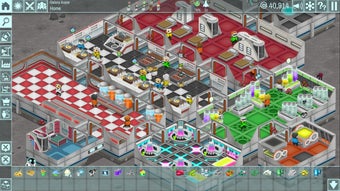
The Spatials, by Wierd and Wry, is a space station management RPG set in the yearYou design isometric, tile-based living and workspaces, manage crew needs and training, run a hospitality system for alien visitors, and send away teams on real-time tactical missions to gather resources. Procedural star systems and an RPG-style tech and loot progression underpin long-term play. The game targets management-sim fans who enjoy building systems and planetary exploration.
The game fuses room-level management with expeditionary tension
The game positions station design and planetary raids as two linked gameplay pillars rather than separate modes. Players balance officer hiring, training, and needs with running a hospitality economy that attracts visitors, while away teams conduct tactical surface missions to secure materials. That hybrid approach is explicitly described as a blend of tourist-focused management and real-time tactical exploration, which gives each decision in the hub consequences during expeditions.
Does procedural generation keep playthroughs fresh and rewarding?
Procedural systems create a different galaxy layout each campaign, with the material noting more than thirty star systems and over a hundred planets. Exploration yields loot and technology that directly affect officer skills and station upgrades, which supports loop-driven progression. Players and critics praise the addictive cycle of expansion and exploration, though several observations point out the endgame can feel repetitive once core expansion is complete.
What does the game look and feel like at the station level?
The presentation uses an isometric, tile-based view that makes room-by-room construction readable while supporting a quirky, charming art direction. That art style is called out as balancing the simulation's density, and the hospitality system handles hundreds of visitors visually and mechanically. Menus and layout keep station systems visible, which helps when juggling manufacturing, tech research, and guest services during busy cycles.
How approachable is progression and crew management for new players?
Progression ties to a tech tree, manufacturing, and RPG-style loot that alters officer capabilities, with explicit systems for hiring and training. Reception notes the management mechanics are accessible, which suggests onboarding favors newcomers to the genre. The simulation still demands careful micro-management because of the intricate, room-level construction, yet the game runs on modest Mac hardware and a small storage footprint, keeping technical barriers low.
In summary, a focused pick for solitary management explorers
The game is a rewarding choice for players who prefer methodical building combined with tactical exploration, especially those who like structured systems and emergent loot-driven growth. It is less suitable for players seeking multiplayer or competitive play, since the experience is single-player only. Consider the repetitive late-stage loop as the main caveat when planning long-term campaigns.